
The Sixth Edition · 2026
A revised classic for today’s sommelier
formerly ‘Sales & Service for the Wine Professional’ · Brian K Julyan, MS
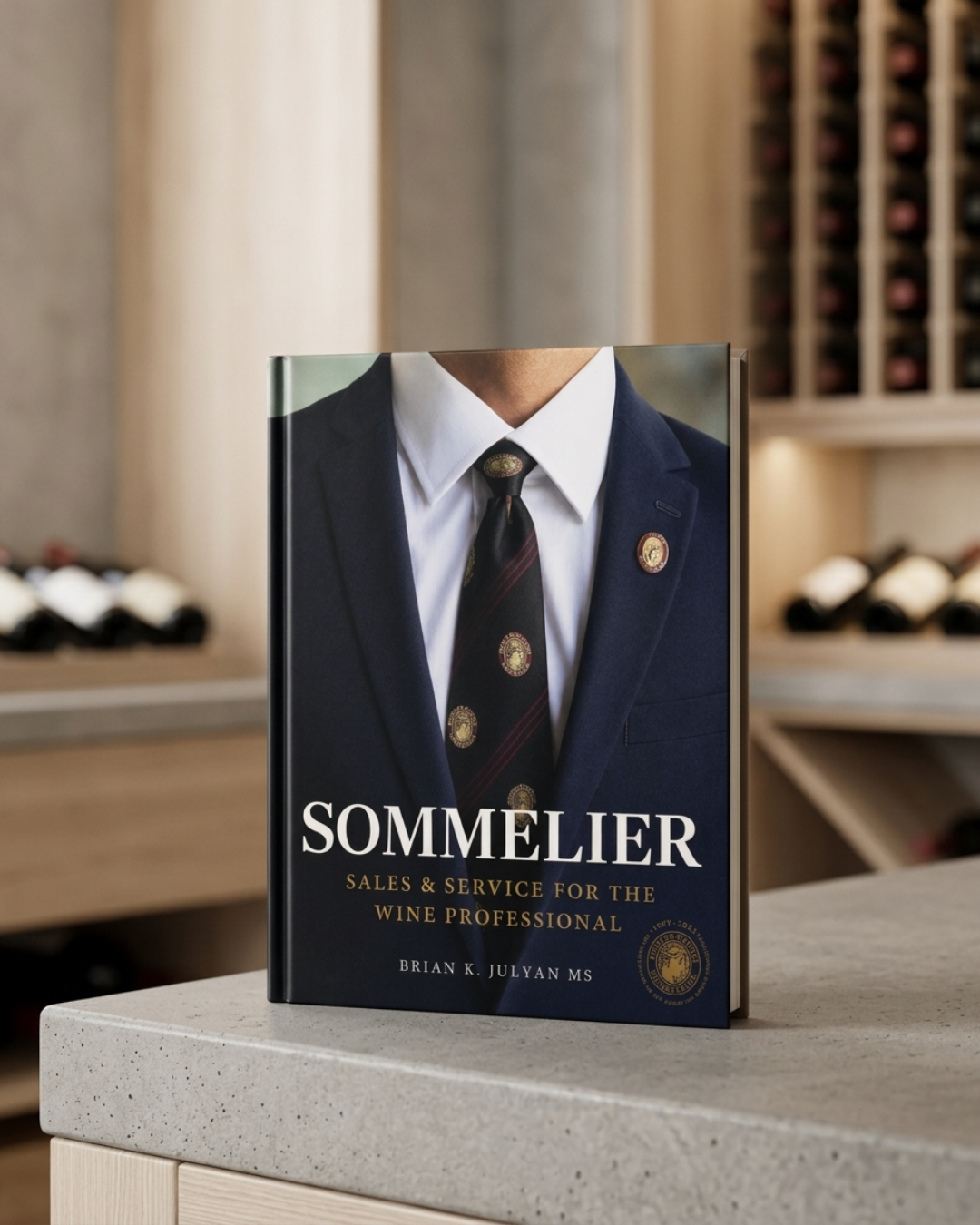
◈Sommeliers today must have a sound knowledge not only of the wines and spirits on offer in their own establishment but of beverage products in general in order to help customers make the right choices.
A first look
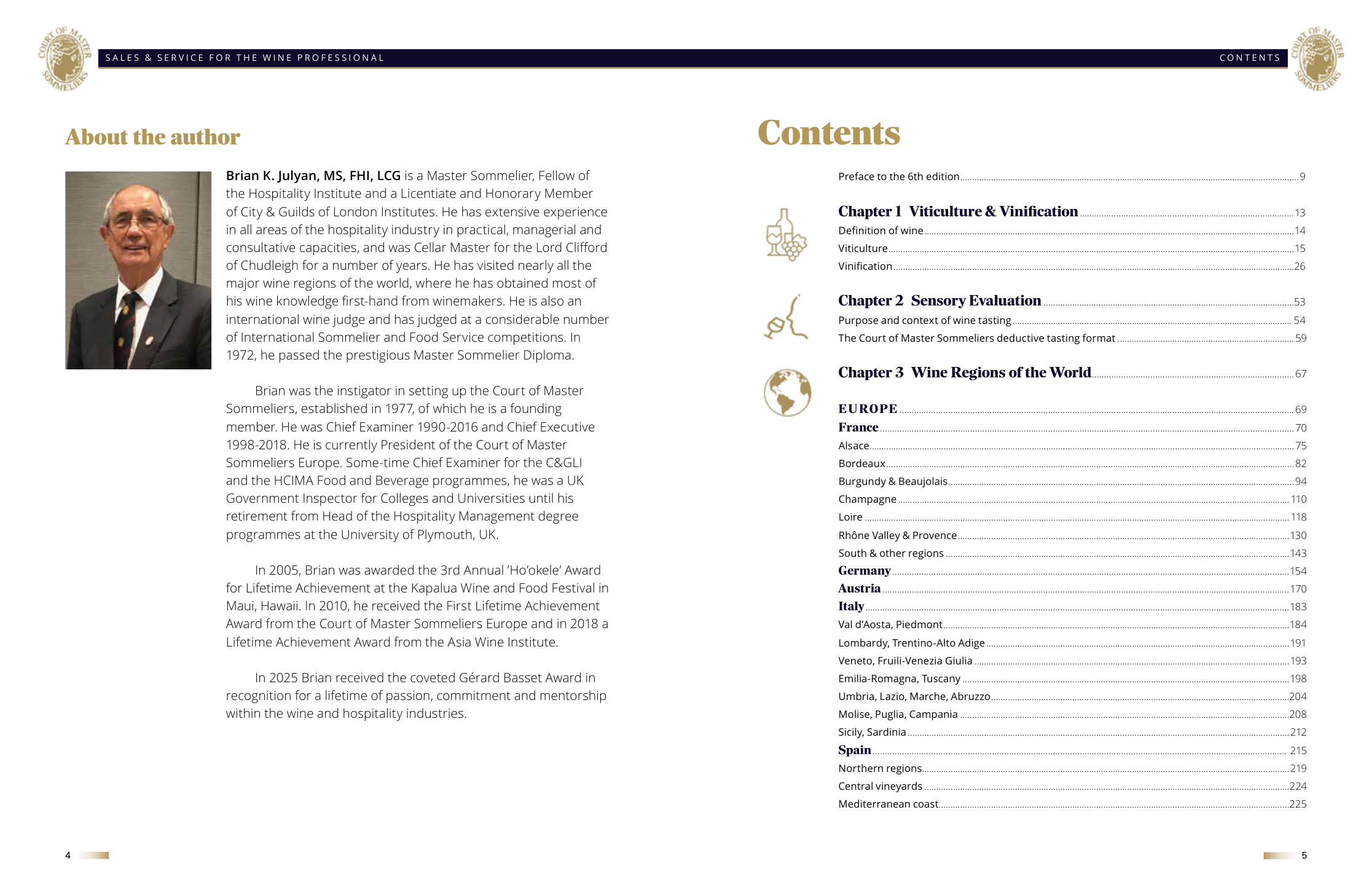
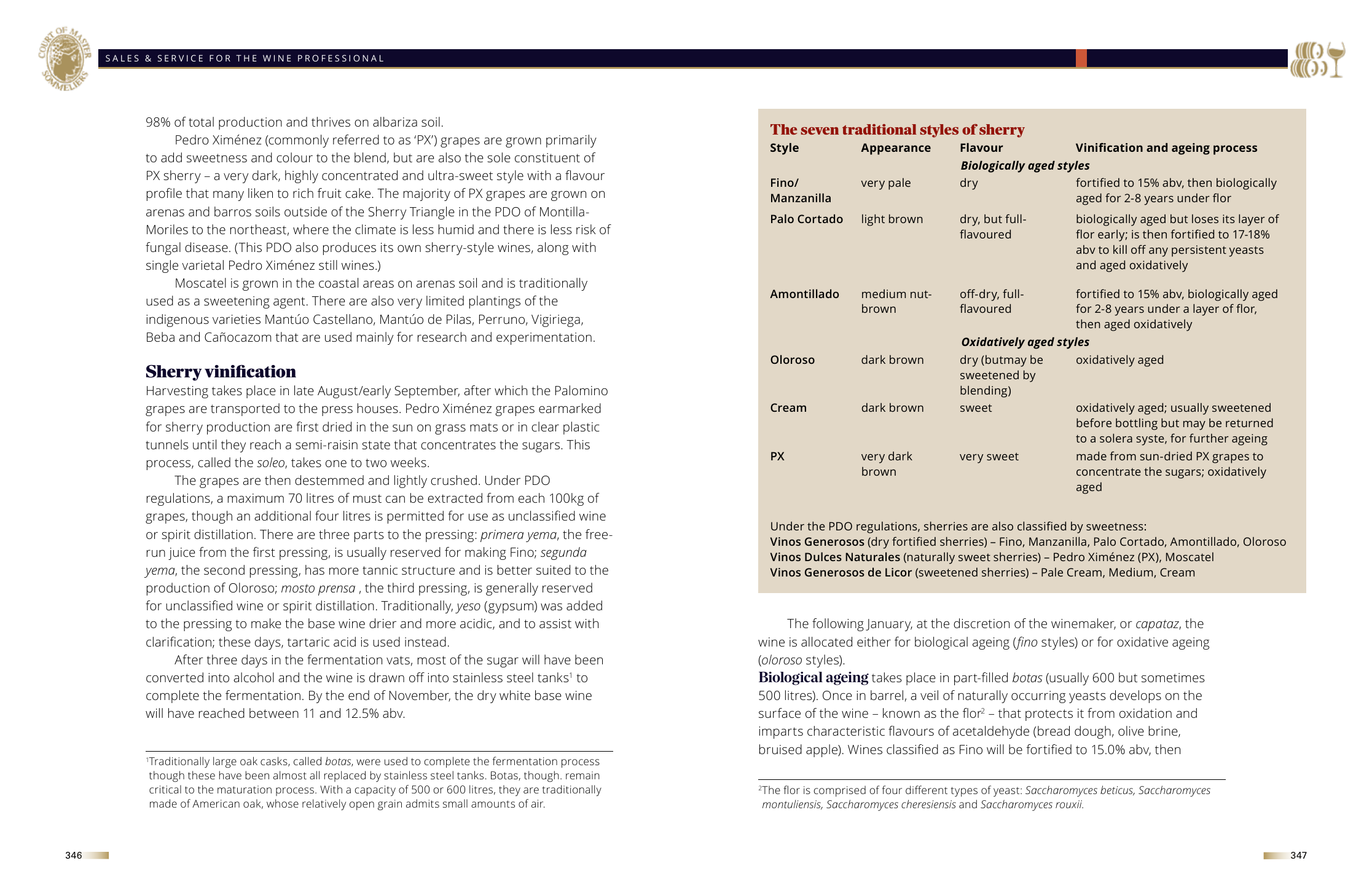
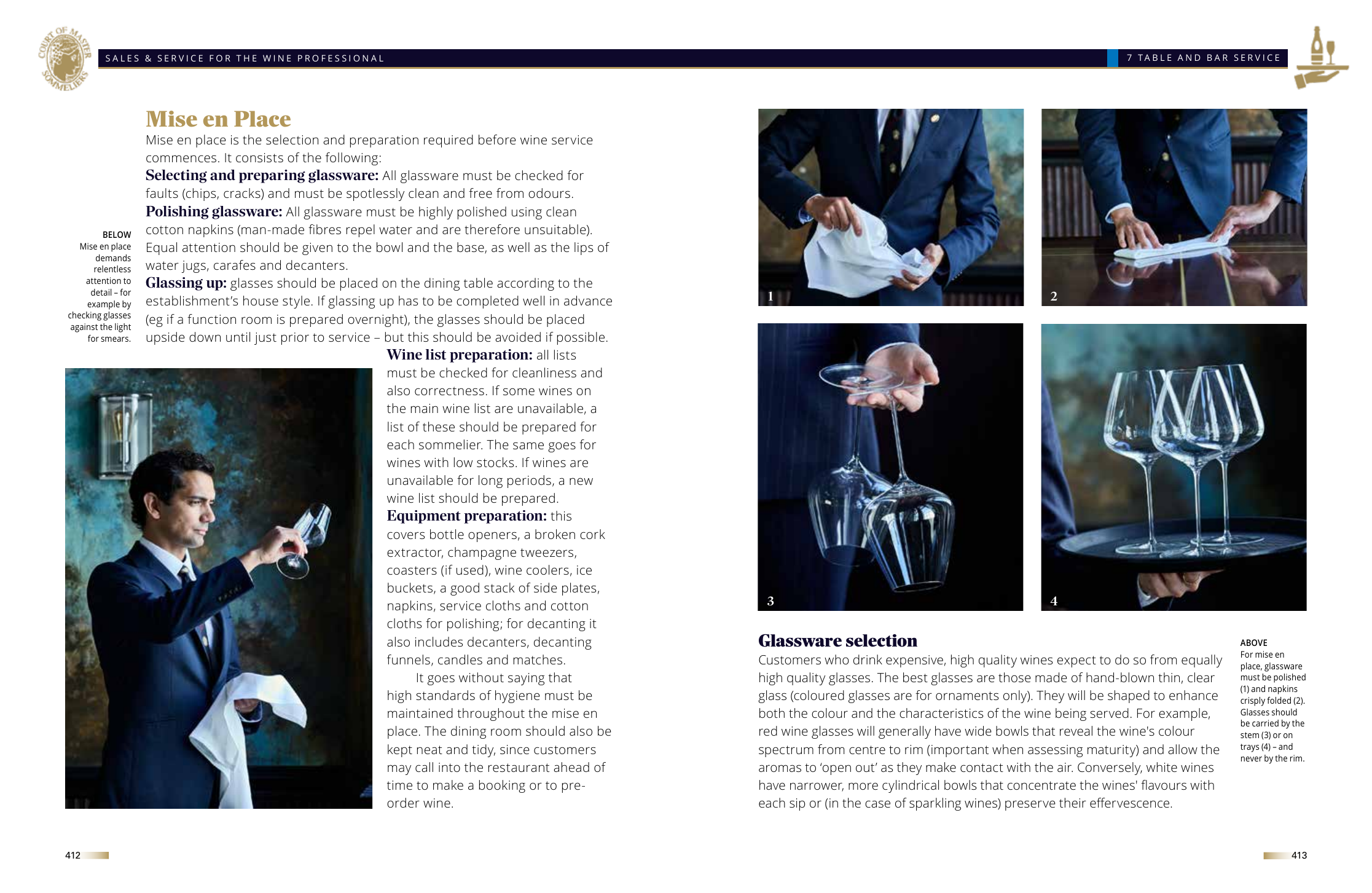
Real pages from the Sixth Edition. Click any page to read it full-size.
What to expect
Why this edition
Two-thirds devoted to wine
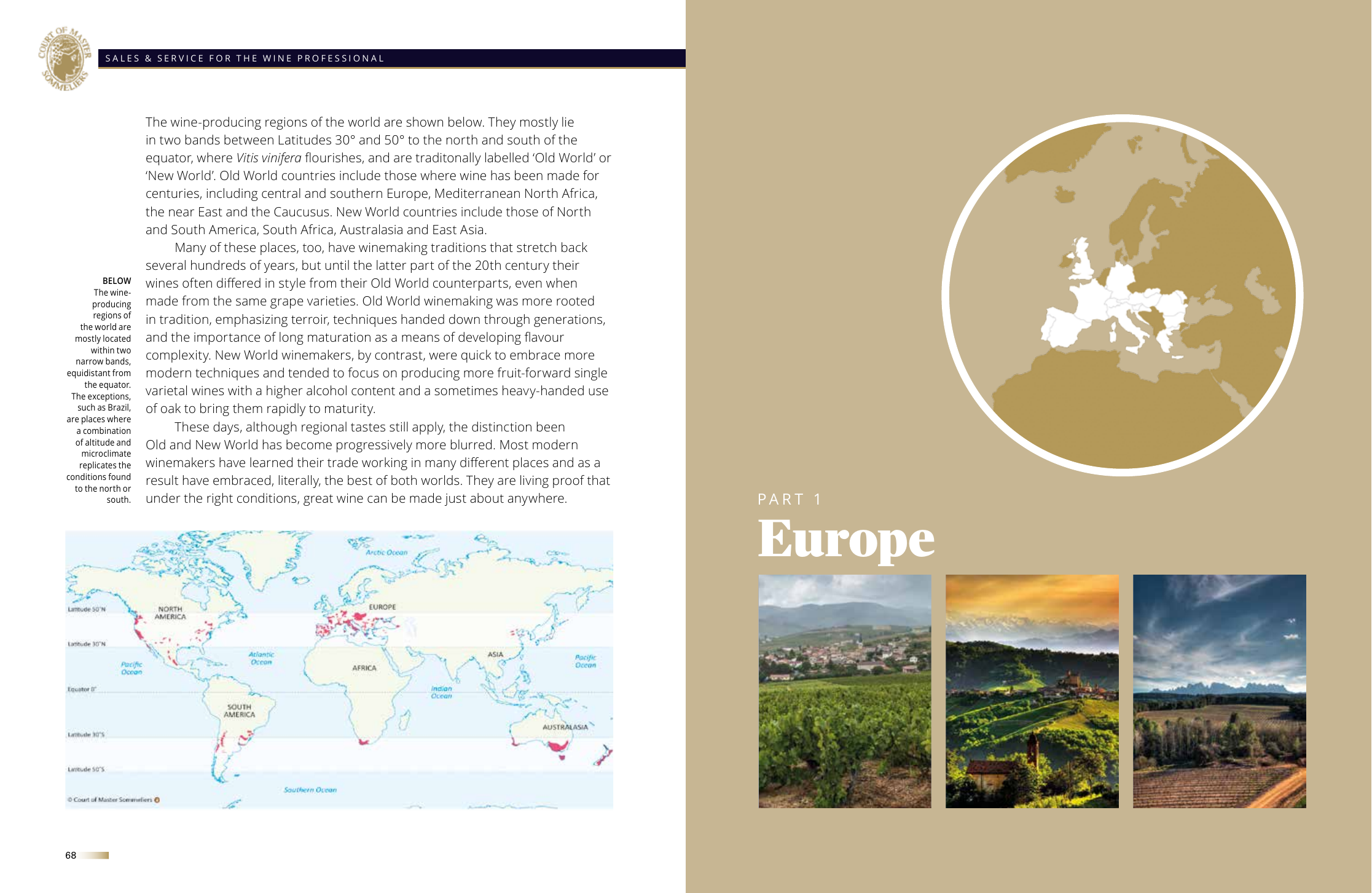
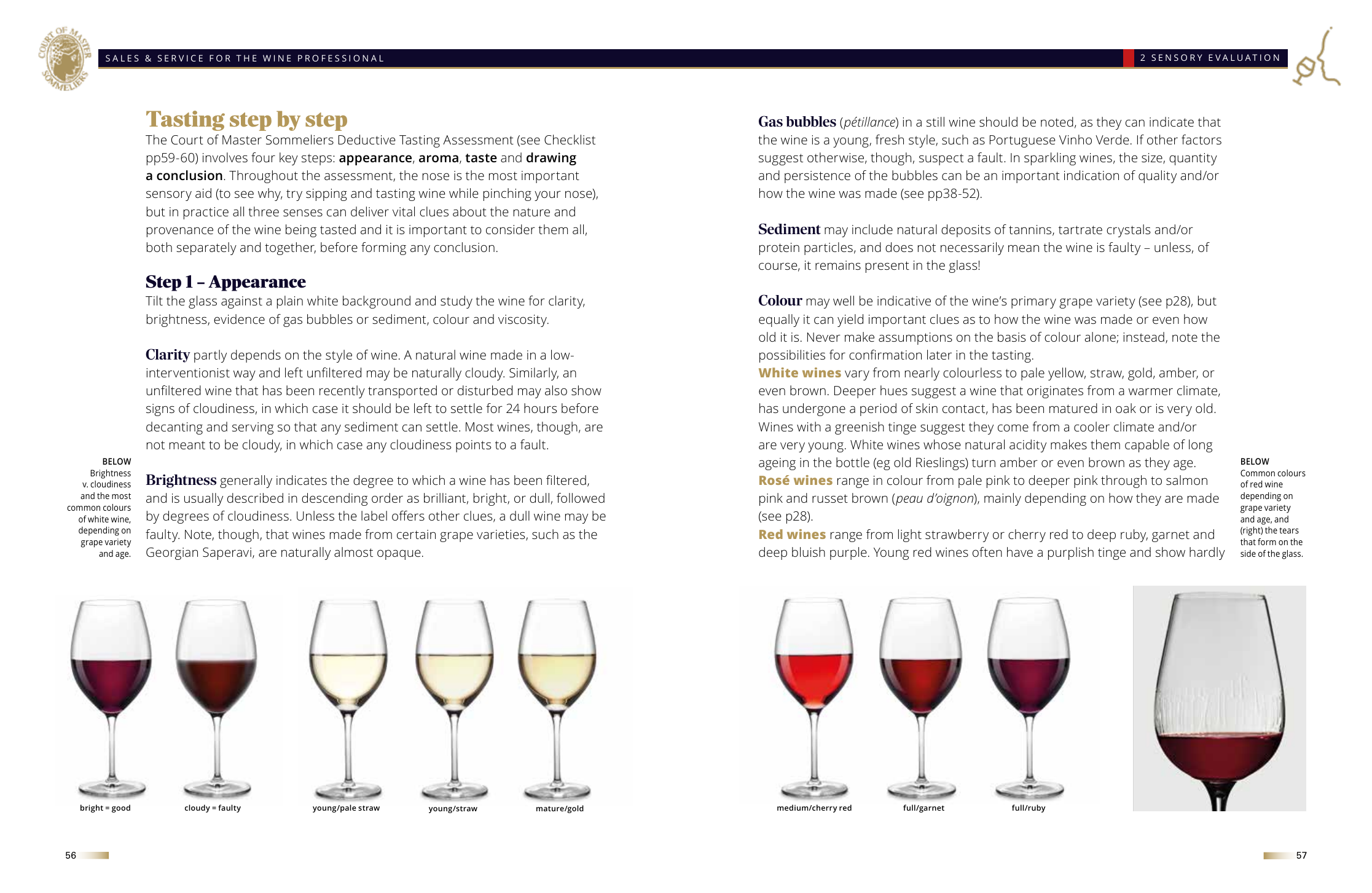
Chapters 1–4 cover grape-growing and winemaking, how to taste and appreciate wine, the wine regions of the world — sub-divided by continent for easy access — and the fortified wines.
The whole drinks list, and the craft of service
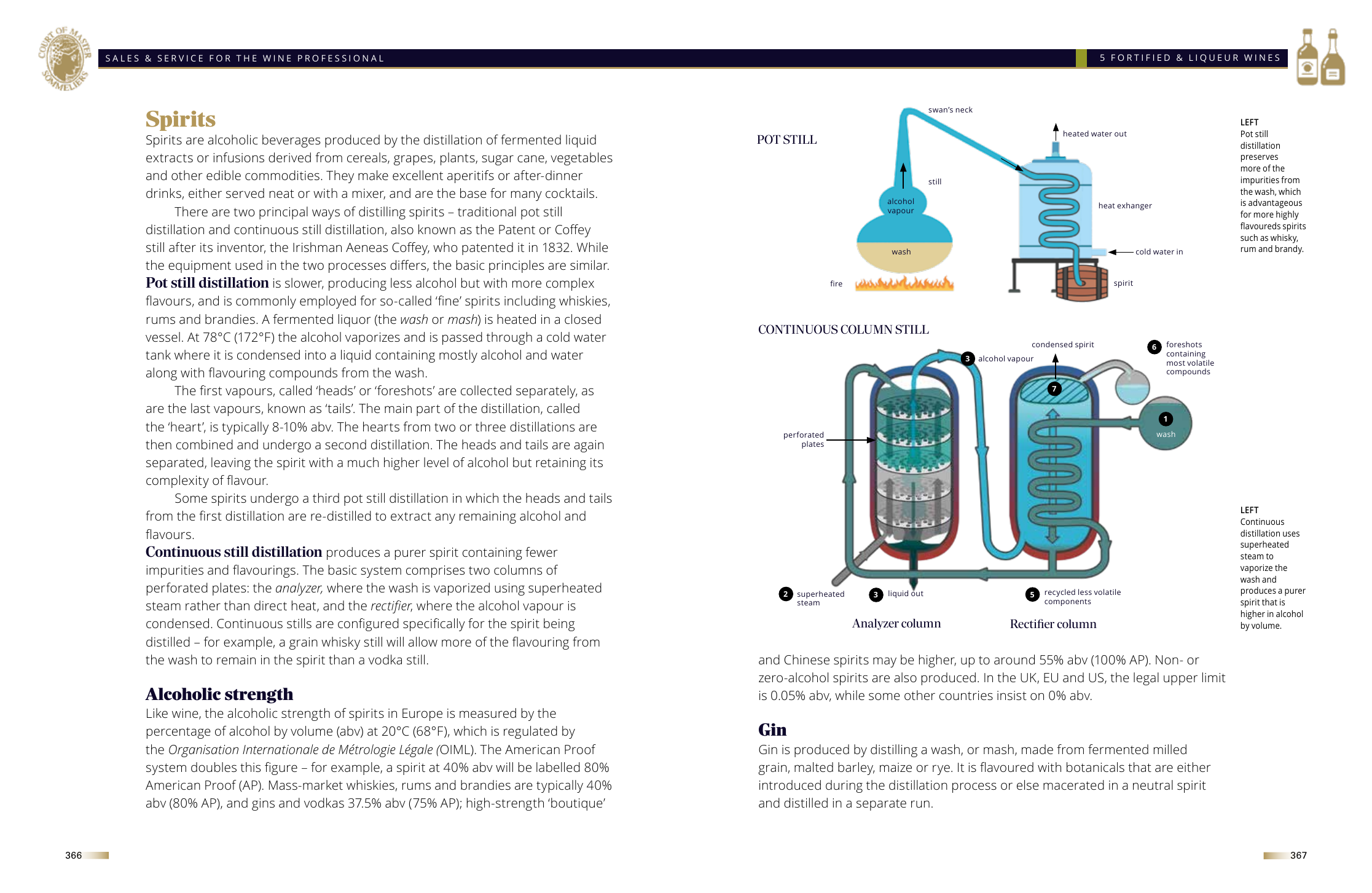
Chapter 5 covers spirits, liqueurs, beers and other drinks; Chapters 6, 7 and 8 cover the actual practice of being a sommelier — taking orders, the service of wine and other drinks, and the standards of behaviour expected of all who enter the profession.
The course book for the CMS Introductory Certificate
It also usefully supports those studying for the Court of Master Sommeliers Certified Sommelier and Advanced Sommelier Certificate programmes, and for WSET (Wine & Spirits Education Trust) Levels 1, 2 and 3.
Built to be referenced and studied
Boxed panels present detailed information in a digestible format; nine appendices include the 1855 classification of the Médoc; and a glossary and self-assessment questionnaire help the reader measure their own progress.
◈ Who it’s for
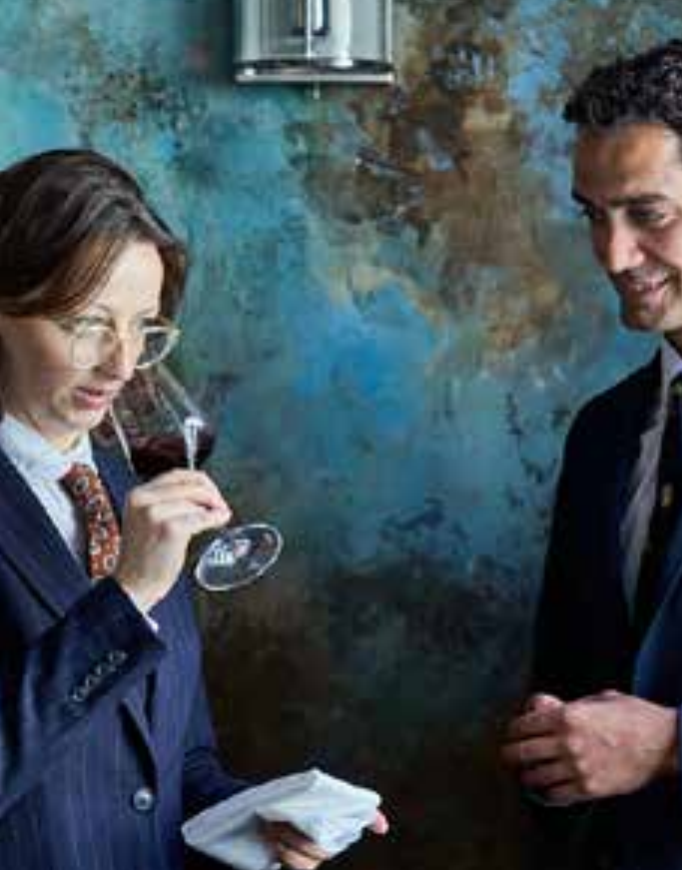
It covers the essential facts of grape-growing and winemaking, as well as the all-important regional differences that characterize different wines — and, most importantly, what is expected of the sommelier from a customer’s and an employer’s point of view: how to recommend wine, contribute to sales, and inspire the dining room by being knowledgeable, professional and composed at all times.
The author hopes the book will prove not only a useful source of reference but a valuable aid to those involved in training junior staff.
That it will, at the very least, provide an insight into what is expected of a sommelier — and the enormous amount of knowledge and technical expertise the job requires.
◈ From the author
Brian Julyan’s own words, drawn from the preface.
It is not for them to impose these preferences on the customer; rather, it is their job to identify and then guide the customer around their own chosen part of the vinous galaxy.
There is nothing more pleasurable in life than giving other people pleasure.
Such knowledge cannot be gained overnight – and nor can it be gained without many years of actually tasting wines, whether good, bad or indifferent.
Just as important is the ability to get on with people, to develop an instinctive understanding of why people choose the drinks they do.
Being a sommelier is a lifetime’s journey – albeit a highly enjoyable and rewarding one.
The aim of this Sixth Edition… is to explain this in a readable and easily referenced form.
In addition, sommeliers must adhere to high professional standards and develop the technical skills required to provide consistently top-quality service. The aim of this Sixth Edition of Sales & Service for the Wine Professional, completely updated and revised from the last edition, is to explain this in a readable and easily referenced form.
As the course book for the Court of Master Sommeliers Introductory Certificate Programme, the text is not intended to be encyclopaedic, but to cover only the topics contained within that programme’s syllabus. However, it will also usefully support those studying for the Court of Master Sommeliers Certified Sommelier Certificate and Advanced Sommelier Certificate programmes, and for WSET (Wine & Spirits Education Trust) Levels 1, 2 and 3.
While every effort has been made to ensure that the information is correct at the time of writing, changes are constantly taking place throughout the drinks industry, and particularly in the world of wine, where categories, classifications and regional definitions are apt to change on an almost monthly basis. With this in mind, both the novice and the seasoned professional need to maintain an awareness of how the drinks market is evolving – notably the increasing demand for organic, biodynamic and ‘low intervention’ wines, and the growing popularity of no- or low- alcohol wines, beers and spirits. Only by keeping a constant eye open for what is available, what is popular and what can be obtained at the right price can the sommelier serve both customer and employer in the way they are entitled to expect.
To become a proficient sommelier requires time and effort. There is a lot more to the job than simply tasting wine, (the fun part, and what most sommeliers, if they are honest, enjoy the most). Just as important is the ability to get on with people, to develop an instinctive understanding of why people choose the drinks they do, and to develop the business acumen needed to ensure that their own establishment remains a profitable concern. The demands of wine tasting, too, should not be underestimated. While it is seldom difficult to spot a faulty wine, to develop a genuine appreciation of the countless different styles of wine produced around the world calls for a comprehensive knowledge of the grapes that go to make them, the techniques involved in their production, and the regional and cultural traditions that brought them into being in the first place. Such knowledge cannot be gained overnight – and nor can it be gained without many years of actually tasting wines, whether good, bad or indifferent.
For customers, the enjoyment of wine is an intensely personal experience – which means in practice that there are almost as many ‘good’ choices as there are stars in the sky. The sommelier, too, will come to develop their own personal preferences over time, but it is not for them to impose these preferences on the customer; rather, it is their job to identify and then guide the customer around their own chosen part of the vinous galaxy – to help them explore beyond what they know, and in the process to have a more pleasurable dining experience.
For the top professional, being a sommelier is a lifetime’s journey – albeit a highly enjoyable and rewarding one. Those who make it to the end understand the essential truth of that journey: that there is nothing more pleasurable in life than giving other people pleasure. And that, in a nutshell, can be summed up by the age-old adage: ‘Don’t give me what I ask for; give me what I want.’
To conclude, the author would like to thank the team that has spent the best part of year putting this book together – Ronan Sayburn, without whose unfailing confidence and support it would never have seen the light of day, and Hermione, Ellie, Martin and the rest of the staff at Académie du Vin Library who so ably assisted the author in turning his vision into reality, and who, as I hope you will agree, have produced an informative and original new take on an enduringly fascinating subject.
Brian Julyan, Torquay, April 2026
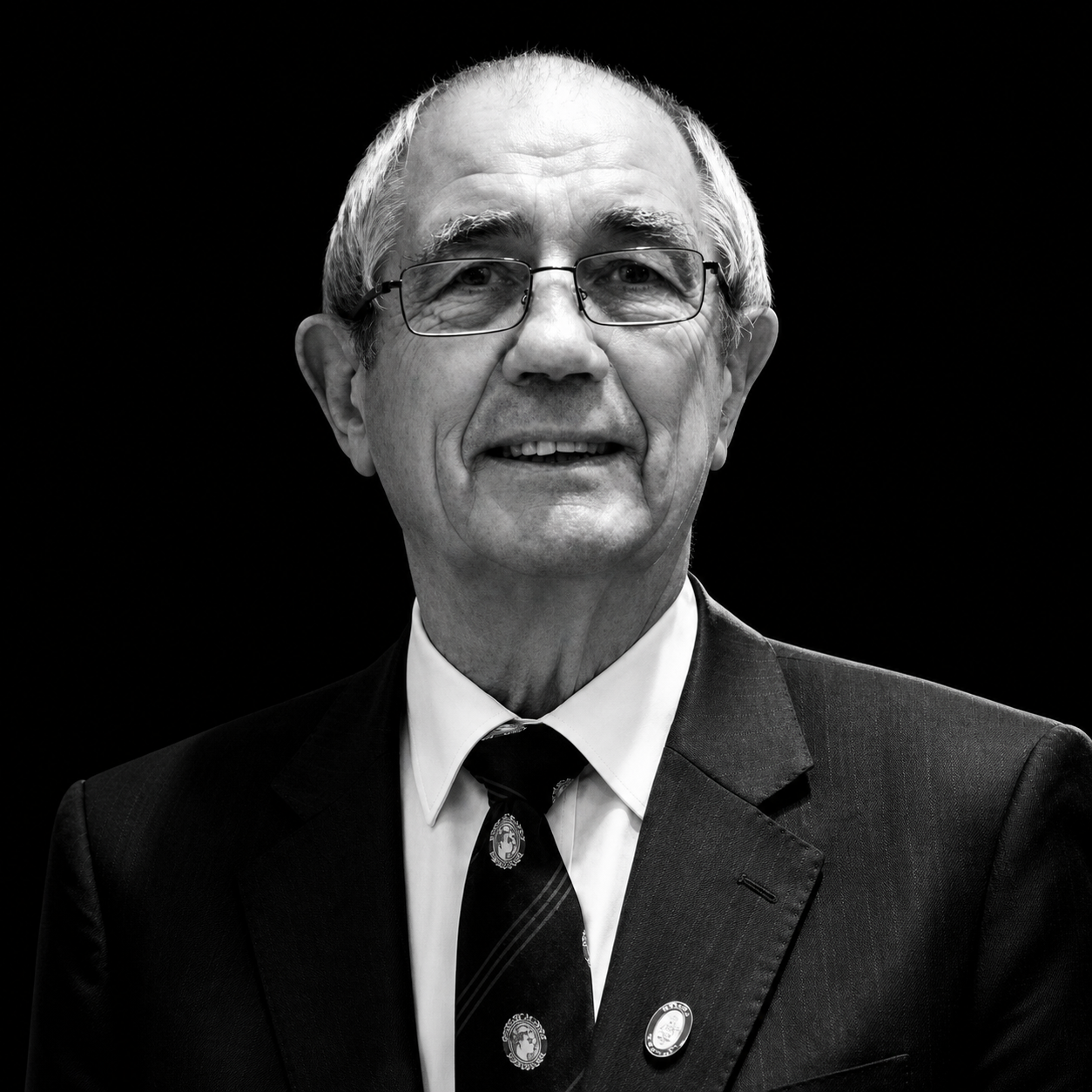
Available in paperback — direct from Somm Digi, through the Académie du Vin Library, or in bulk for wine schools and programmes.
See order options